
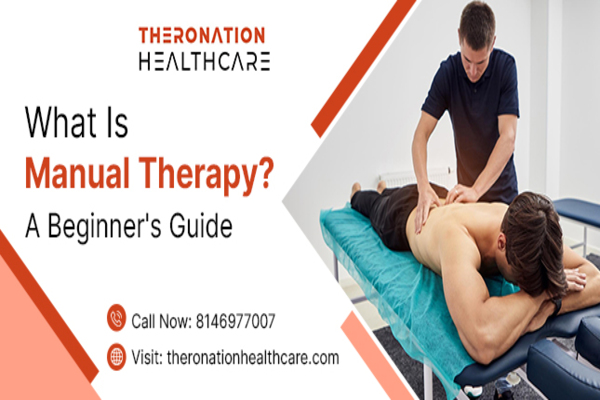
Healing from hands is deeply grounding, blessing from ancestors still works as the golden remedy in a time when machines, sensors, and robotic treatments are all around us. Thousands of people’s recovery journeys have been changed with the help of manual therapy mostly known as a skilled, evidence-based intervention.
It is sometimes misinterpreted as just another massage technique however science and doctors also believe that it has something special about it. Nowadays to manipulate, mobilize, and relieve the tension in muscles, joints, and connective tissues, skilled professionals administer this hands-on treatment in a more polished and structured way.
Manual therapy might be the missing component in your wellness puzzle, regardless of whether you’re a professional athlete recovering from a persistent injury or an office worker with chronic neck pain. Make sure to incorporate it at the right time.
Thankfully a professional and expert physiotherapist in Chandigarh can skillfully combine manual therapy and traditional physiotherapy. It also helps to restore both motion and motivation specially at the time when you and your body actually need holistic rehabilitation. In this blog we will explore more about these strategic techniques that work as an effective therapy.
Understanding Manual Therapy: More Than Just a Massage
Manual therapy is an umbrella term for hands-on techniques that involve manipulating the body’s soft tissues and joints to decrease pain, improve range of motion, and support functional movement. It’s a refined blend of anatomical knowledge, therapeutic intuition, and years of clinical expertise. This isn’t just “pressing and rubbing”; it’s a structured approach rooted in biomechanics and neuromuscular science.
The objective? To create mechanical change at a tissue level and neurological change at a system level — essentially, to help your body feel better and move better. When applied effectively, manual therapy can:
-
- Calm the nervous system
-
- Ease chronic stiffness
-
- Rekindle the body’s natural healing responses
Let’s dive into the main techniques that form the backbone of manual therapy:
4 Core Techniques Used in Manual Therapy
-
- Soft Tissue Mobilization: Image of gentle kneading or muscle release
-
- Joint Mobilization: Image showing therapist guiding a shoulder or knee
-
- METs: Patient resisting therapist’s guided push
-
- Myofascial Release: Hands pressing slowly into upper back or hip fascia
The mobilization of soft tissues
To treat affected muscles, adhesions, or scar tissues, deep pressure techniques and rhythmic stretching are used. Consider it “smart kneading”—specific, knowledgeable, and targeted rather than haphazard.
Collaborative Mobilization
Therapists glide and oscillate joints with slow, controlled movements to relieve stiffness and restore joint play, which is essential for pain-free movement in day-to-day activities.
Muscle Energy Techniques (METs)
Here, the client responds to the therapist’s resistance by actively using their muscles. It’s an effective way to realign the musculoskeletal system, increase circulation, and lengthen shortened muscles.
Release of Myofascial
The goal of this technique is to relax the fascia, which is the connective tissue that envelops muscles. For those with chronic pain patterns or postural limitations, it is deliberate, gradual, and very successful.
How Manual Therapy Differs from Traditional Physiotherapy
Exercises, electrotherapy, and ultrasound treatments are all possible components of traditional physiotherapy, and each has advantages of its own. But manual therapy goes one step further by providing real-time flexibility and tactile feedback. It involves both applying pressure and listening through touch.
Hands follow sensation, while machines follow settings. Where customization is most important, such as in cases of deep-seated pain triggers that are not visible on imaging reports, joint capsule stiffness, or subtle muscular imbalances, manual therapy excels.
To unlock your full potential, a physiotherapist in Mohali who uses manual therapy, for instance, will do more than just prescribe stretches; they will physically feel how your hip rotates and how your shoulder blade glides.
Conditions That Benefit from Manual Therapy
Manual therapy isn’t limited to athletes or those recovering from injuries. Its range is broad:
-
- Prolonged neck or back pain
-
- Frozen Shoulder
-
- Stiffness After Surgery
-
- Nerve entrapment or sciatica
-
- Muscle tension-related headaches or migraines
-
- TMJ conditions
-
- Repetitive strain injuries or tendinitis
Additionally, it works wonders for managing chronic orthopedic conditions and helping people recover from joint replacements. Manual therapy can keep pain from becoming a permanent visitor if it is used regularly.
What to Expect During a Manual Therapy Session
First-time visitors frequently arrive feeling a little anxious and leave feeling relieved. A physical examination of the patient’s posture, gait, joint mobility, and soft tissue texture usually starts the session. The therapist then creates a hands-on protocol.
Depending on your condition, you may receive deeper mobilization, guided stretches, or mild pressure. Because this is collaborative healing, you should anticipate communication from your therapist at every stage. Like after a good workout, post-session soreness is normal and goes away quickly.
The versatility of manual therapy is what makes it so great; it meets your body where it is and gently guides it in the direction it needs to go.
Choosing the Right Physiotherapist in Chandigarh for Manual Therapy
Not all the hands have the healing touch. Some hands just push and suppress the underlying problems. Selecting a qualified and experienced physiotherapist in Chandigarh is therefore essential. Seek:
-
- Expert guidance in manual therapy methods
-
- Expertise in managing your particular condition
-
- Positive patient feedback or recommendations
-
- Open communication and individualized treatment programs
Although manual therapy is an art form, and artistry counts, Chandigarh has emerged as a center for high-quality physiotherapy care.
Conclusion: Healing That Starts with Hands and Heart
More than just a method, manual therapy involves a tactile dialogue between the patient and the practitioner. It connects the subtle art of healing with the science of movement. It brings back the very human aspect of care—touch—in a world that is rapidly moving toward automation.
Think about including manual therapy in your recuperation regimen whether you’re striving for optimal performance or just long-term relief. Additionally, a certified physiotherapist in Chandigarh can literally guide you with healing hands if you’re in North India.