Waking up with stiffness after surgery might steal away all the traces of relief. When pain lingers on, and every movement just feels like foreign. That is when 70% of patients get impatient and spoil their healing journey in panic. In such a situation physiotherapy is your go to option for safer and faster healing. It is way beyond just a treatment. Physiotherapy is just like your partner in reclaiming strength, flexibility, and forbidden confidence.
Nowadays when the health and wellness industry is evolving rapidly, post-surgery physiotherapy treatment has evolved far beyond ordinary exercises. It’s a proven, holistic approach that not only accelerates your healing journey but also prevents unpredictable complications. The best part is, it helps you bounce back to your daily life sooner than you could ever think.
Let’s unveil how physiotherapy is your most trusted ally in your post surgery healing journey.
The “Why” Behind Post-Surgery Physiotherapy
Whether it is an orthopedic, neurological or an cardiac surgical procedure, post surgery your body automatically goes into the recovery mode. Because after undergoing such a complicated medical treatment our muscles get weakened and joints become stiff. In fact your body finds it way too difficult to balance properly.
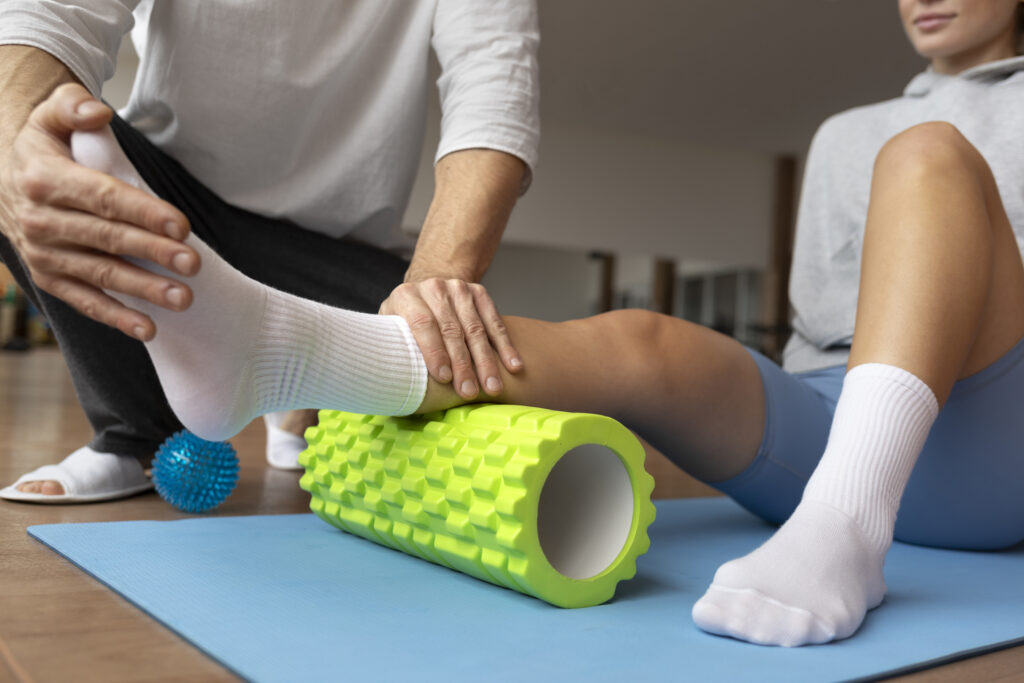
Let’s have a look at how physiotherapy makes a difference:
- Faster recovery: Expert driven and well guided exercises improve blood circulation, tissue repair and muscle strength. It also ensures that your surgical wounds heal efficiently.
- Pain and inflammation control: Gentle, precisely targeted physiotherapy sessions help to reduce swelling and chronic postoperative pain 2x faster.
- Mobility restoration: With the help of regular physiotherapy you can regain your pre-surgery range of motion. The best part is you can do it without risking re-injury.
- Prevention of complications: It not only minimises the risk of deep vein thrombosis (DVT), but also prevents stiffness, or muscle atrophy.
- Confidence and independence: Patients regain their confidence and move freely. They resume their everyday routines safely.
It is like training your body to “remember” the forbidden rhythm again.
How Early Physiotherapy Boosts Healing
Timing matters the most. According to studies starting physiotherapy early (under medical supervision) leads to way better functional outcomes. But it doesn’t mean you will rush through exercises. Exertion and overdo can be risky. Keep on moving at your own pace as much your body allows.
For example:
- Within 24–48 hours: Therapists may proceed with breathing exercises and some gentle limb movements. It accelerates the healing process and enhances blood flow.
- After 3–7 days: Controlled mobilization techniques reduce the risk of stiffness and support in maintaining joint flexibility.
- After 2–3 weeks: With the help of gradual strength training and balancing exercises you can rebuild your lost muscle power.
Every stage is tailored according to you. When it is about post-surgical physiotherapy you can not opt for one-size-fits-all solutions.
Therapy treatment is highly personalized specifically based on several factors including surgery type, your age, and overall health condition.
Physiotherapy After Common Surgeries

Experts recommend different rehabilitation strategies according to the surgery type and prevailing health conditions. Let’s have a closer look:
1. Joint Replacement (Physiotherapy After Knee Replacement)
For many people it might be an overwhelming experience to navigate through the healing journey after surgery. The biggest challenge they face is post surgery stiffness. Why don’t you try physiotherapy after knee replacement? As experienced physiotherapists not only focus on improving joint movement but also emphasise on reducing swelling.
Typical techniques:
It includes a great combination of effective physical activities like range of motion exercises, progressive muscle strengthening, gait training, balance exercises and many more.
2. Spine Surgery
Spinal surgeries are way too complex and they require more patience and caring execution. Physiotherapy helps in restoring body posture, core stability, and nerve function naturally.
Typical techniques:
Post spine surgery physiotherapy sessions include activities like gentle stretching, trunk stability exercises, along with ergonomic training to prevent postural strain or complication in future.
3. Cardiac Surgery
Post-cardiac surgery physiotherapy sessions are more focused on normalizing heart and lung function. They are specifically curated to improve your endurance.
Typical techniques:
These post cardiac surgery physiotherapy sessions incorporate effective breathing exercises, graded walking programs, and many energy conservation strategies.
4. Fracture or Ligament Repair Surgery
Proper alignment, flexibility, and muscle coordination support is required to heal bones and ligaments.
Typical techniques:
It involves movements like active and passive range of motion exercises and proprioception training. It also incorporates tailor-made strengthening regimens.
Every approach focuses on restoring your functionality, reduces recovery and anxiety.
Techniques That Make a Real Difference
Now that you have explored various techniques involved in therapy sessions of Physiotherapy today blends traditional movement therapy with advanced modalities. Some of the most effective techniques include:
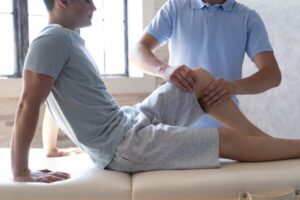
- Manual Therapy: It incorporates hands-on techniques and joint mobilization to ease stubborn stiffness and pain.
- Electrotherapy: In this therapy expert physiotherapists use an advanced approach that has ultrasound, TENS, and electrical stimulation to nullify the inflammation and boost healing.
- Hydrotherapy: It revolves around essential exercises that are performed in water to reduce joint stress.
- Cryotherapy and Heat Therapy: It incorporates alternating temperature techniques to support tissue recovery.
- Balance and Core Training: It prevents re-injury and supports overall stability.
The Mind-Body Connection: Healing Beyond Muscles
Modern physiotherapy techniques and approaches focus on the mental and emotional toll of surgery. Being bedridden and struggling with limited movement leads to frustration and anxiety. Let’s have a look at how physiotherapy nurtures overall wellness:
- Mindful mobility: By doing slow and guided movements consistently you can promote body awareness and stress will be reduced naturally.
- Motivation through milestones: Small wins are important during recovery. They help to release feel-good hormones that accelerate your healing.
- Holistic guidance: Physiotherapists are no less than a coach, they nurture you with discipline, consistency, and optimism.
Home-Based Physiotherapy: A Growing Trend
Nowadays, more and more patients rely on at-home physiotherapy services for a comfortable, safe, and convenient healing journey. Expert physiotherapists now visit your home with portable equipment, to guide you through a structured recovery plan.
Here are the top 5 benefits of home physiotherapy people look for:
- Personalized attention
- Recovery at own pace
- No risk of exposure
- Familiar environment aids psychological comfort
- Family members get opportunity to participate in your recovery
Wrapping Up: Physiotherapy as Your Comeback Partner
Surgery is just the first chapter, but physiotherapy is the both writer and narrator of your comeback story. It not only bridges the gap between recovery but also restores independence. Eventually helping you rediscover the joy of pain-free movement.
Whether it is a major operation, sport injury rehabilitation or just a minor procedure, physiotherapy isn’t just a “recommended step”. It’s a must have to rebuild your muscles, and reclaim your lifestyle.
Book your session today, connect with us at Theronation Healthcare!